


Certified Usui Tibetan Reiki Courses in Small Groups
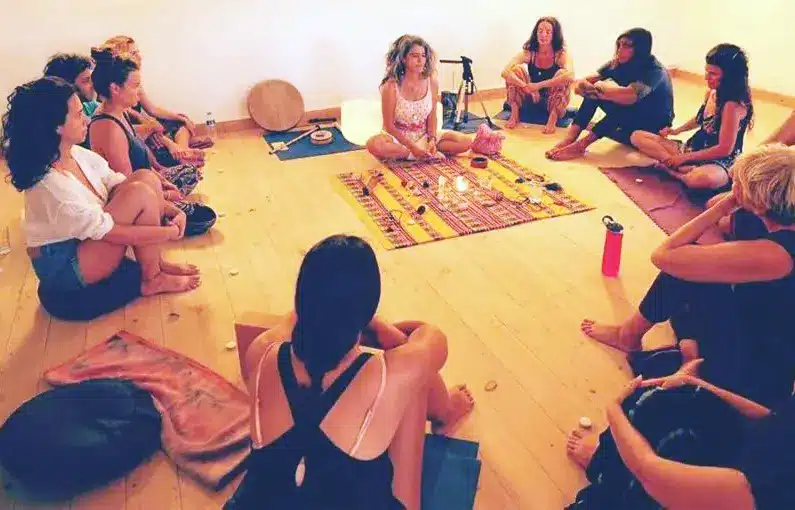
I hold my Reiki courses in London face to face, in my space in Marylebone, and keep the groups small so that I can give each student individual attention. Each level is a full day of practical work, with plenty of time for hands-on practice and personal guidance.
If you are starting out, I recommend beginning with Usui Tibetan Reiki. It is a complete Reiki system that takes you from the first level all the way to Reiki Master, and I find it particularly well suited to the stage of consciousness and evolution we are living through today. It offers a stronger form of Reiki that I find especially suited to the energies of our time. From the first course, you learn how to connect with the universal life energy and work with it, first on yourself and then on others. I explain the system, its different levels and the other Reiki systems in more detail further down the page.
Before you decide anything, you may want to read what this energy is and where it comes from on my What is Reiki page.

Every level of the Reiki training includes:
- The attunement itself, given by me in person and never delegated
- A detailed course manual that stays with you
- Hands-on practice throughout the day, working in pairs
- Hand positions for treating yourself and others
- The history of Reiki and your own lineage back to Mikao Usui
- An internationally recognised certificate approved by the Spanish Reiki Alliance
- A standing invitation to the monthly Reiki shares I hold
- Ongoing support by WhatsApp and email whenever questions come up after your training
That support does not end when the course does. Reiki is not a subject you finish; it is a practice you begin, and questions often arise during the first months of working with the energy. You can continue to write to me whenever you need guidance.
What Is Usui Tibetan Reiki?
If you have been searching for Usui Reiki, this is the system you are looking for. Usui Tibetan Reiki is the Usui lineage enriched with later Tibetan teachings, and it is one of the most widely taught Reiki systems in the world. Its principle is that we learn through awareness rather than through suffering. It is in tune with the energies of the new age of consciousness we have entered, and the healing it offers is strong and gentle at once.
During the course, the attunement ceremonies connect each student to the universal life energy. The system also includes newer symbols, developed to match the stage of evolution humanity has reached, and upon completing the course, you receive an internationally recognised Reiki certificate.
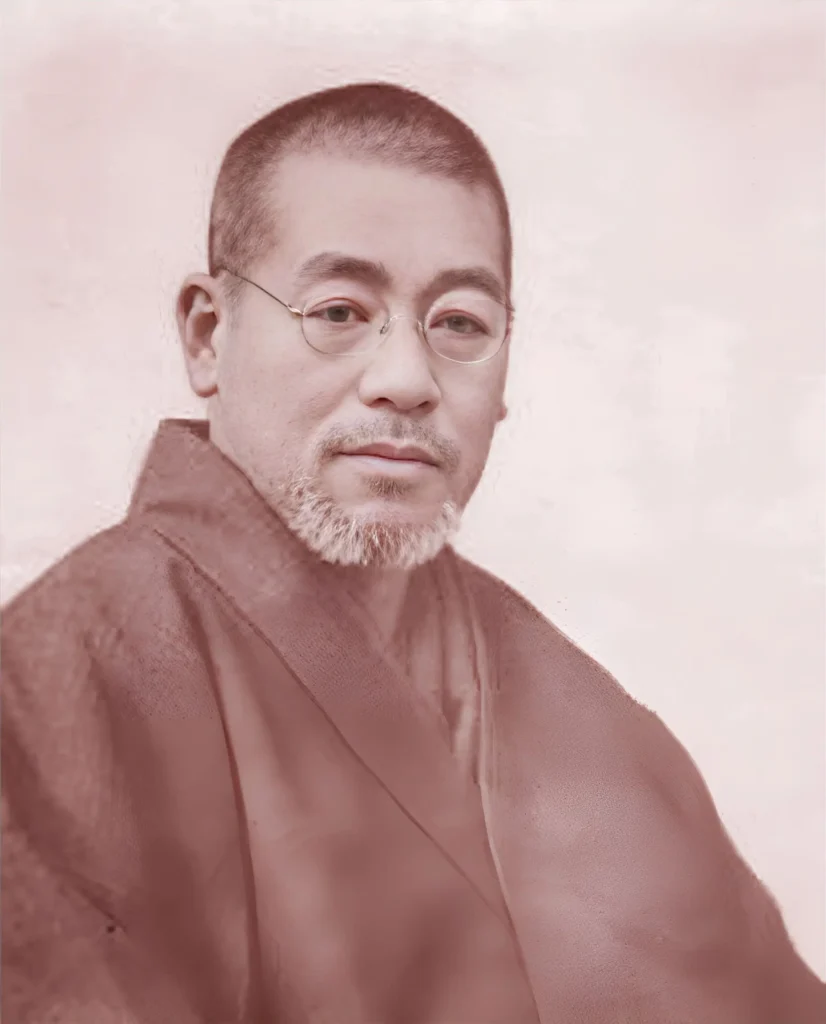
It is built on the original Reiki symbols given to Mikao Usui, a Japanese Buddhist monk, at the end of the nineteenth century. In the 1980s, following work on the sacred Tibetan teachings, the system was updated by Japanese Reiki Masters from the Usui lineage who had migrated to the West. The system that emerged from this work brings together ancient wisdom and the energies needed in our time within a single structure. Usui Tibetan Reiki is regarded as one of the healing techniques with the lowest risk of a healing crisis and as one of the systems best suited to the way consciousness works today for those beginning their Reiki journey.
How Do You Learn Reiki?
There is one thing in Reiki that cannot be learned from a book, watched in a video or copied, and that is the attunement. The hand positions, the symbols, the history and the principles of practice can all be explained and studied, but the attunement itself cannot. It is an energy activation given by a Reiki teacher, through which your energy channel is attuned to Reiki energy. This is why learning Reiki means training with a teacher. On my courses in London, I give every attunement in person.
Reiki came to us as a gift for the great period of change the world is passing through, helping us to leave the collapsing old order behind more easily. It teaches us to recognise the energies of Divine Love and Light among all the rest and to become more easily attuned to them, surrounding us with a protective energy. Through the sacred geometry symbols, your Reiki teacher connects you to Reiki’s infinite source of universal life energy. During the training, you also learn how to connect to this source independently.
If you would like to know exactly how an attunement is given, you can find the answer further down the page under How is a Reiki attunement given?
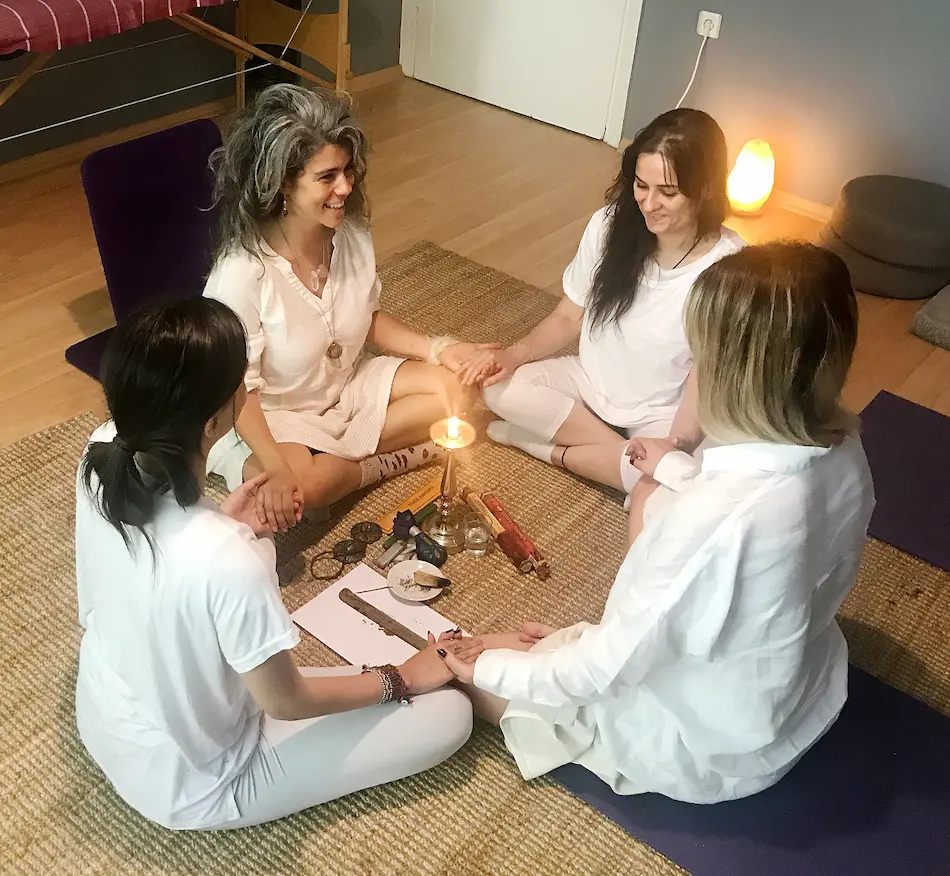
The 21-Day Healing Process After a Reiki Attunement (Initiation)
After a Reiki attunement, a 21-day process of healing, clearing and transformation begins. The energy received through the attunement starts a deep process of healing and cleansing on physical, emotional and mental levels.
Kundalini energy begins to activate at its own natural pace. Following the attunement, this activation begins what we call the 21-day healing process. It can feel like a powerful new beginning, significant enough that we may come to think of our lives in terms of before and after.
During this time, things we have carried through life that do not truly belong to us — burdens placed upon us by others, or those we have taken on through fear — can begin to fall away. This period of intensive healing and clearing can last from 21 days to three months after each Reiki level.
Each time, the process can take us a step further towards knowing ourselves, accepting ourselves as we are and learning to love ourselves more fully.
We begin to give the ego less control and to see ourselves and the world from a more authentic and pure place. Other people’s thoughts and feelings begin to affect us less. Instead of looking to others for approval, we can begin to recognise who we are, understand our unique purpose and gather the strength to follow it.
In this way, abilities that have been suppressed or have not yet been discovered can begin to emerge more freely. We learn to develop our intuition and creativity, to listen to the healing power of the infinite love within us and to the voice of our heart, and to draw greater abundance into our lives.
During these first 21 days, I ask my students to practise self-Reiki every day. This daily practice supports the process while also helping you become familiar with the Reiki energy and with working with it independently after your training.
The Levels of Usui Tibetan Reiki
In my Reiki training in London, you progress through the different Reiki levels step by step. With each level, the energy channel becomes stronger, allowing you to work with Reiki at progressively deeper levels.
Usui Tibetan Reiki has four levels. The first two establish the foundations of Reiki practice, while the more advanced levels strengthen the energy channel further and allow you to channel Reiki more powerfully. Because Reiki Levels 1 and 2 complement one another, I teach them together over two consecutive days. You may also come across their traditional Japanese names: Level 1 is known as Shoden, Level 2 as Okuden, and the Master level as Shinpiden.
Reiki Level 1 (Shoden) Attunement
The Reiki Level 1 attunement activates the energy channel through which you can give Reiki to the physical body. This is where you begin practising self-Reiki and learn how to give Reiki to other people. You can also use Reiki with animals, allowing them to receive the energy in a gentle and natural way.
Reiki Level 2 (Okuden) Attunement
At Reiki Level 2, the energy channel is activated to work at deeper levels, reaching the emotional, mental and spiritual bodies. You are introduced to the Reiki symbols and learn how to use them in your practice. This level also includes the technique for sending Reiki at a distance, allowing you to work with someone without being physically in the same place.
Reiki Level 3 and Reiki Master (Shinpiden) Attunements
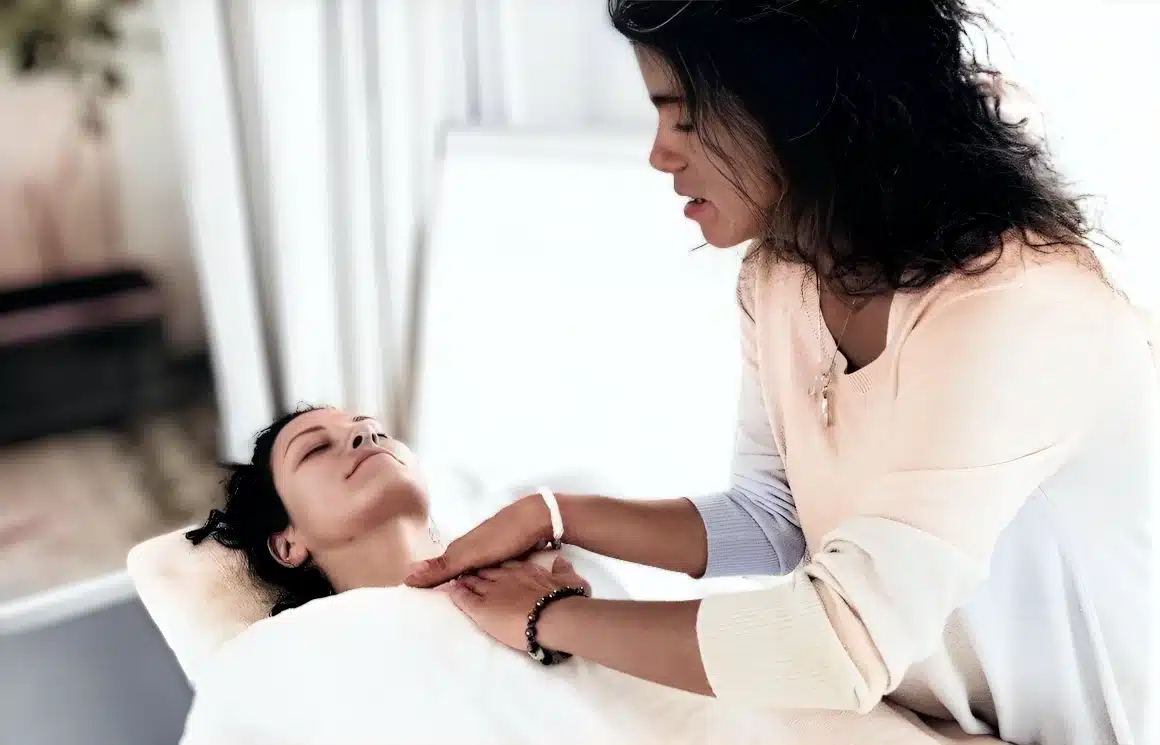
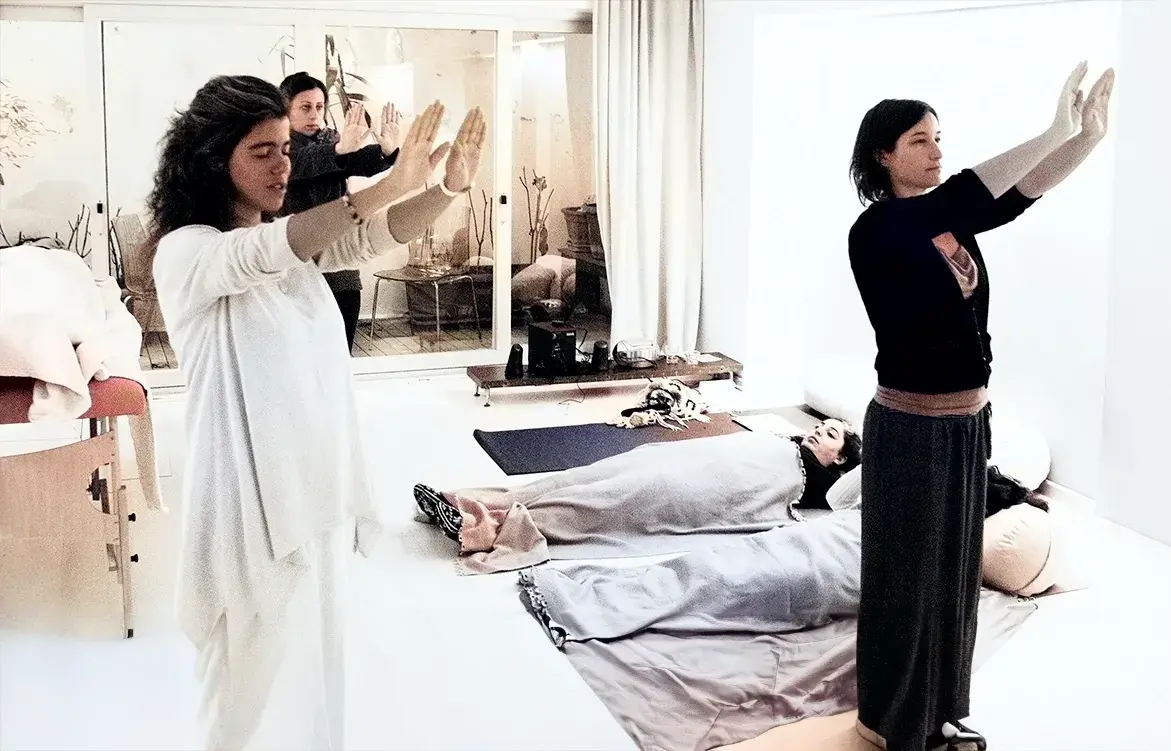
With each advanced level, the energy channel expands further and the strength of the Reiki you can channel for yourself and others increases. These levels provide a stronger flow of energy for deeper healing work.
Before moving on to these advanced levels, you need to have worked with yourself through Reiki Levels 1 and 2 for at least three months. At every stage, including Reiki Master level, the energy you receive is first of all for you, your own healing and your personal and spiritual development.
Who Can Learn Reiki? Can Everyone Learn Reiki?
Reiki was given by God, by the Universe, to all its children without distinction. The ability to attune to this energy is therefore not limited by intelligence, previous experience or a particular level of spiritual development. Anyone can learn Reiki and practise it. How far you progress and how deeply you work with it, as with anything else, depends on the time, practice and dedication you give to it.
The people who come to my courses in London are usually one of these:
- Someone who has received Reiki, felt something real, and wants to understand it from the inside
- Someone with no experience of energy work at all, drawn by curiosity they cannot quite explain
- A yoga teacher, massage therapist, bodyworker or complementary practitioner looking to bring another supportive dimension to the work they already do
- A doctor, nurse, caregiver or other professional working closely with people who wants to maintain their own energetic and emotional balance without taking on so much of what others are carrying
- Someone going through a period of personal change or difficulty, looking for a way to work on themselves daily
- Someone who wants to build a Reiki practice and eventually work with clients, and is starting at the beginning
Every course includes comprehensive course notes, and at the end of the training you receive an internationally recognised Reiki certificate approved by the Spanish Reiki Alliance.
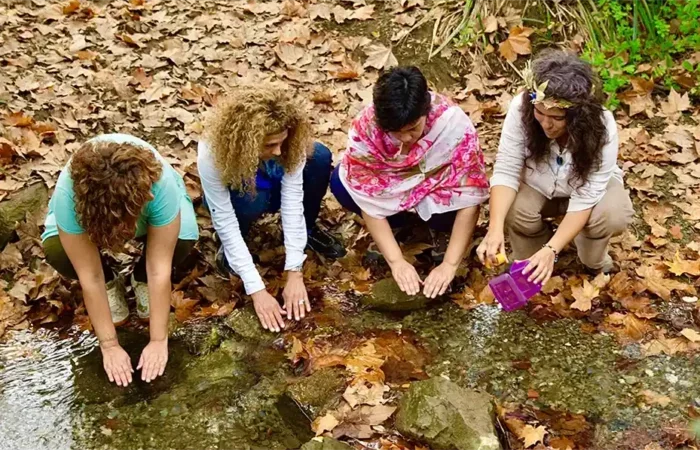
My students meet regularly after their training at the Reiki shares I hold, where we give and receive Reiki together, share our experiences and continue to deepen our Reiki practice. These gatherings are open only to students who have trained with me.
If you would like to read about my students’ experiences of learning Reiki with me, you can find their feedback on the Reiki reviews page.
Sound Healing with Quartz Crystal Bowls in Reiki Training
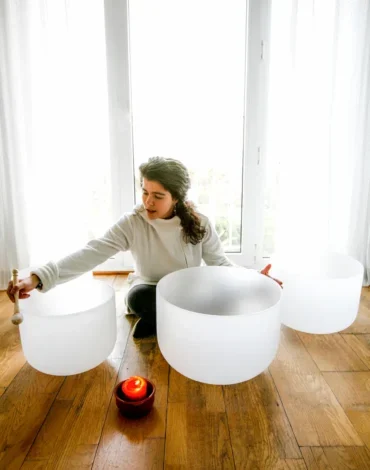
Quartz crystal bowls have a place in every Reiki course I teach. I use sound healing during the training to deepen energy awareness and help students become more sensitive to the Reiki energy they are learning to work with. The sound of the bowls can help balance the energy field, deepen meditation and create a stronger sense of connection with the Reiki energy.
If you would like to experience Reiki and sound healing for yourself before taking a course, you can book an individual Reiki session in London. You can also learn more about my work with quartz crystal bowls on the Sound Healing London page.
The Reiki Training Journey and Advanced Reiki Systems: Karuna Reiki and Sekhem Reiki
We begin Reiki training with Usui Tibetan Reiki. It is a complete Reiki system consisting of four levels, taking you from your first attunement through to Reiki Master. Reiki Levels 1 and 2 teach the foundations of working with Reiki energy, while Reiki Level 3 and Reiki Master strengthen and expand the energy channel further.
After completing the Usui Tibetan Reiki Master level, practitioners who wish to deepen their Reiki journey can continue working with other energy systems. This is where advanced Reiki systems such as Karuna Reiki and Sekhem Seichim Reiki can become part of the journey.
These systems introduce different frequencies of Reiki energy and their own symbols. If you would like to continue your Reiki training beyond Usui Tibetan Reiki, you can explore Karuna Reiki and Sekhem Seichim (Egyptian) Reiki and continue working with me at these more advanced levels.
You can find all my courses in London, and the upcoming dates as I announce them, on my Reiki London page.
How to Do Reiki on Yourself (Video)
This video is for students who have completed Reiki Levels 1 and 2. In it, I show you how to practise self-Reiki step by step: where to place your hands, how long to stay in each position and what to pay attention to. You can return to it whenever you want to strengthen your daily practice or refresh the techniques you learned during your Reiki training. You can also find the written guide in my article How to Do Reiki on Yourself.
Frequently Asked Questions
How long does Reiki training take?
Each Reiki level is taught face to face over a full day. Because Reiki Levels 1 and 2 complement one another, I teach them together over two consecutive days. Level 1 opens the channel to the physical body, while Level 2 takes the work into the emotional, mental and spiritual bodies and introduces the Reiki symbols.
Every level includes theory, plenty of hands-on practice, comprehensive course notes and the attunement itself. After your training, you are also welcome to join the monthly Reiki shares I hold for my students. If you would like to understand the energy before committing to a course, you can start by reading what Reiki is and how it works.
What is the difference between Reiki Level 1 and Level 2?
Reiki Level 1 is the foundation. It opens the channel to the physical body and teaches you to give Reiki to yourself and others. You can also use Reiki with family, friends and animals. Reiki Level 2 goes deeper, reaching the emotional, mental and spiritual bodies. At this level you receive the sacred geometry symbols and learn how to send Reiki at a distance.
I teach Levels 1 and 2 together over two consecutive days because the two levels complement one another.
Is the Reiki certificate internationally recognised?
Yes. At the end of each level, you receive an internationally recognised Reiki certificate approved by the Spanish Reiki Alliance. If you would like to ask about certification, upcoming course dates or reserving a place, you can write to me through the contact page.
Can I practise Reiki professionally in the UK after the training?
Reiki practice is not subject to statutory regulation in the UK, and registration with a regulatory body is voluntary. However, working professionally with the public involves additional professional standards beyond learning Reiki itself, including appropriate insurance and professional practice requirements.
For practitioners who want recognised professional status in the UK, the Reiki Council has a Core Curriculum based on the National Occupational Standards for Reiki, with routes to professional verification and voluntary registration. If professional practice is your goal, in-person Reiki training is particularly important, as the Reiki Council’s professional standards require in-person training and attunements.
I am also developing the UK professional pathway for my London training, so the professional requirements and options will be explained separately as this becomes available.
Who can practise Reiki?
Anyone can learn and practise Reiki. You do not need a particular personality, background or previous experience with energy work. Some people learn Reiki primarily for themselves, while others want to give Reiki to family and friends or eventually develop a professional practice.
If you would like to experience Reiki from the receiving side before learning it yourself, the Reiki session London page explains what an individual session involves.
Can I do Reiki on myself?
Yes. Self-Reiki begins from Reiki Level 1 and is an important part of the practice. During the 21-day period following the attunement, I ask my students to practise self-Reiki every day. This helps you become familiar with the energy and develop your own regular practice.
Do I need any prior experience for Reiki training?
None at all. You do not need previous experience of Reiki, meditation or other forms of energy work. Reiki Level 1 is suitable for complete beginners, and you learn through both the teaching and practical experience during the course.
How is a Reiki attunement given?
The Reiki attunement, also called an initiation, is a specific energy activation performed by the Reiki teacher during the course. You sit on a stool or chair while I move around you, placing the Reiki sacred geometry symbols into the energy centres with light touches. Your energy channel is attuned to Reiki energy, and from that point you can begin using Reiki for yourself and others.
The ceremony itself takes approximately ten to fifteen minutes. I give every attunement personally and in person; it is never delegated to an assistant.
What does a Reiki attunement feel like?
The experience differs from person to person. You may feel warmth in your hands or body, tingling, a sense of movement or a deep feeling of quiet. Some people enter a state similar to meditation, while others feel very little physically. All of these experiences are normal. You do not need to feel a particular sensation for the attunement to take place.
Can I practise Reiki straight after the training?
Yes. The attunement takes place during the course, so you leave with the hand positions and techniques you need to begin practising Reiki on yourself and others. As with any practice, regular use helps you become more familiar and confident with the energy.
Can Reiki be sent from a distance?
Yes, from Reiki Level 2 onwards. At this level you receive the sacred geometry symbols used for distance Reiki and learn how to direct the energy without being physically in the same place as the recipient. Distance Reiki can also be used beyond geographical distance, including working energetically with experiences from the past.
I explain how this works in more detail on my distance Reiki page.
Is Reiki a religion?
No. Reiki is not a religion and belongs to no denomination. I understand Reiki as universal life energy given by God, by the Universe, to all its children without distinction. It can therefore be practised alongside different religions and belief systems. Your religion, background, nationality, gender or age does not determine whether you can receive Reiki or learn to practise it.
Can I take the training in Turkish or Spanish?
Yes. Alongside English, I teach Reiki in Turkish and Spanish. If everyone in a group shares Turkish or Spanish, I can teach the course in that language and provide the corresponding course notes. Mixed-language groups are taught in English. Please let me know your preferred language when you enquire.
How much does Reiki training cost in London?
The fee depends on the Reiki level you are taking. Please contact me for current fees, upcoming London course dates and payment information through the contact page.
Before enrolling you in a Reiki course, I also arrange a telephone conversation with you. This gives me the opportunity to explain the training in detail, discuss what Reiki may represent in your life and make sure the course is appropriate for what you are looking for.
Where in London does the Reiki training take place?
My Reiki training in London takes place face to face in my space in Marylebone, in small groups. It is at the Portman Square end of Baker Street, with Bond Street and Marble Arch Underground stations nearby. Baker Street station is at the opposite end of the street.
Throughout the course you practise with one another as well as learning the theory, and the small groups allow me to give each student individual attention. You can find further location information on the contact page.
Let Your Inner Transformation Begin in Marylebone
If you are looking for a Reiki course in London, your journey can begin with Usui Tibetan Reiki Level 1 and continue all the way through Reiki Master and, if you choose, into the advanced Karuna Reiki and Sekhem Seichim (Egyptian) Reiki systems. I teach in person in Marylebone, in small groups, with hands-on practice and individual attention throughout your training.
Come and step into the boundless field of Light and Unconditional Love. Surrender your fears to the Light, and connect with your Guides and your Higher Self… Connect with Your Essence!
Write to me for the next London Reiki training dates so that we can talk through the course before you decide.
Reiki courses are held face to face in my space in Marylebone, at the Portman Square end of Baker Street. Bond Street and Marble Arch are the closest Underground stations; Baker Street station is at the far end of the street. Directions are on my contact page.
The training certificate is not a statutory professional qualification in the United Kingdom, and these services do not replace medical treatment. Please see our Legal Disclaimer page for details.