



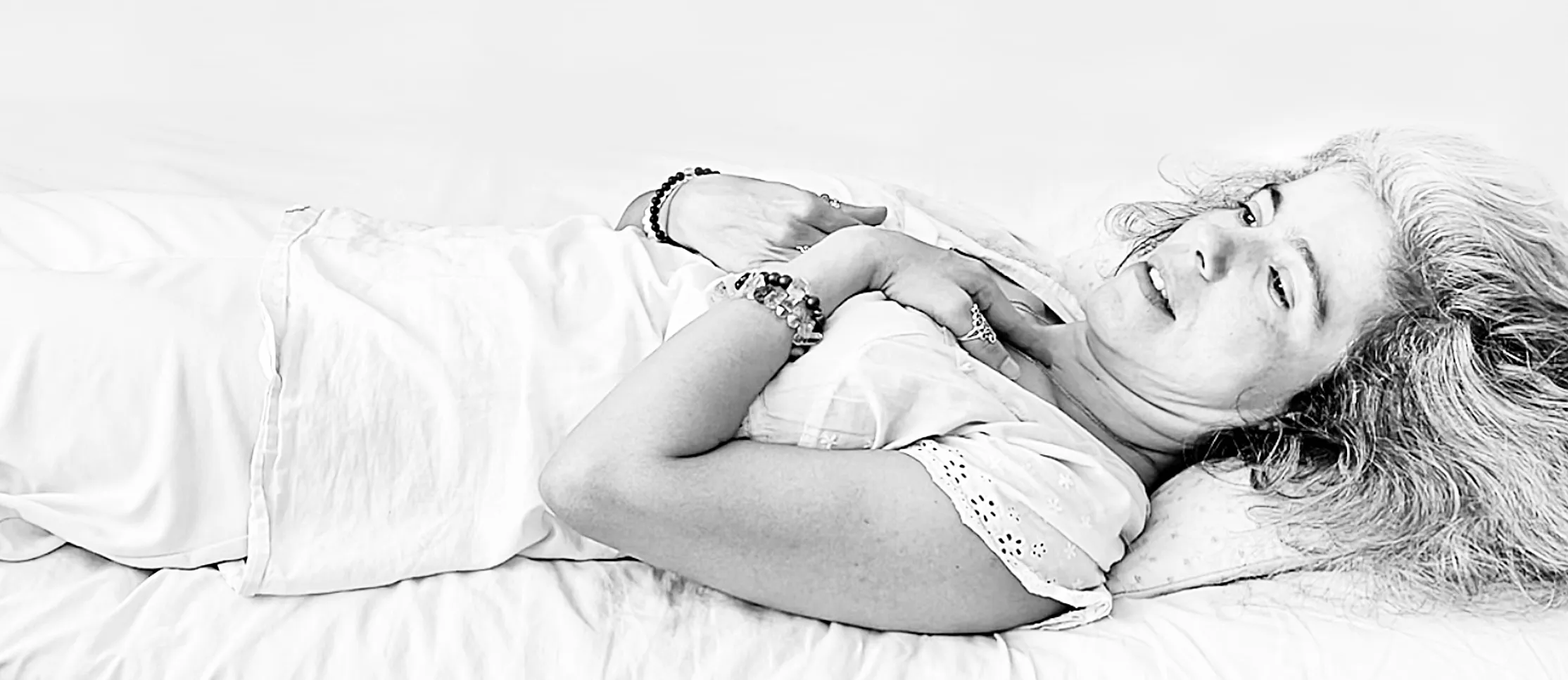
How to Do Reiki? Self Reiki Step-by-Step Guide (Video)
How to do Reiki is one of the most common questions for those who want to work with energy and integrate healing practices into their daily lives. To fully understand how to do Reiki, it is essential to first learn how to practice Reiki on yourself. Self Reiki is one of the most fundamental and effective ways to balance your energy flow and develop inner awareness.
In this video, you will learn how to do Reiki on yourself step by step. The practice demonstrated includes essential Reiki hand positions as well as the application of Level 2 Reiki symbols, making it especially suitable for those who have completed Reiki Level 1 and Level 2 training.
Learning how to do Reiki through regular self practice helps you connect more deeply with your energy.
The same hand positions and Reiki symbols used in self Reiki can also be applied when practicing Reiki on others.
İçindekiler
ToggleHow to Do Reiki on Yourself? (Self Reiki Practice)
Self Reiki practice is generally done with the following steps:
- First, as learned in Reiki training, through the energy channel activated during Reiki initiation, you reconnect with Reiki energy.
- Then, sit or lie down in a comfortable position. A quiet and peaceful environment helps you feel Reiki energy more easily.
- Apply the Reiki hand positions given in your training notes step by step. Each position corresponds to different energy centers in the body.
- During the practice, allow yourself to turn inward. You may enter a meditative state as Reiki energy flows naturally.
- You can apply the Reiki symbols as taught in your Level 2 Reiki training.
- Stay in each hand position for approximately 3 minutes. After completing the session, rest for a few minutes to integrate the energy.
How to Do Self-Reiki: Hand Positions
In self-Reiki practice, the hands are placed on the body’s main energy centers in sequence. You stay in each position for about 3 minutes, allowing the energy to flow into that area. The basic hand positions are:
• Head and eyes: The hands are placed gently over the eyes and forehead. This position supports mental calmness and focus.
• Back of the head (nape): The hands are placed at the back of the head. It helps reduce tension and rest the mind.
• Throat and neck: The hands are placed gently over the throat area. It is associated with the energy of expression and communication.
• Heart area: The hands are placed at the center of the chest, level with the heart. It supports emotional balance and the energy of compassion.
• Stomach and abdomen: The hands are placed on the upper and lower abdomen. It is associated with digestion and emotional relaxation.
• Lower abdomen: The hands are placed below the navel. It supports grounding, trust, and life energy.
• Knees and feet: The hands are placed in sequence on the knees and under the feet. It supports grounding, physical health, and life energy even more deeply.
In each position, the hands are kept relaxed and loose; the energy naturally flows to the area where it is needed. Keeping your breath slow and steady during the practice helps you feel the Reiki energy more easily.
Integrating Reiki Practice into Daily Life
Why is Reiki Training and Initiation Necessary?
To learn Reiki energy in depth and to practice Reiki correctly, you can visit the Reiki Training page.
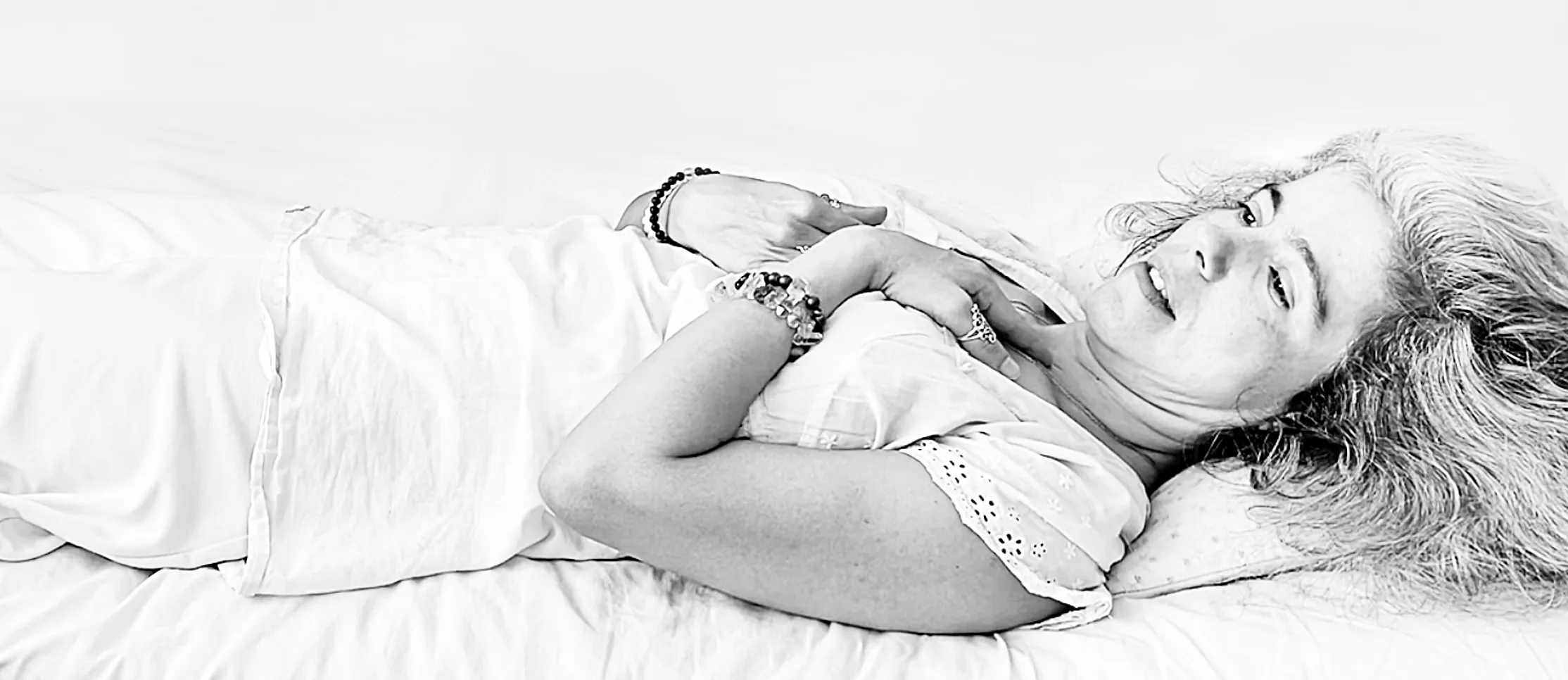
If you would like to watch how to do Reiki on YouTube, you can watch the how to do Reiki video here.
Frequently Asked Questions
How many minutes a day should self-Reiki be practiced?
Self-Reiki can be practiced for an average of 5 to 45 minutes a day. You stay in each hand position for about 3 minutes. Even short, regular sessions increase energy awareness over time.
Can you do self-Reiki without Reiki training?
To apply Reiki energy correctly and safely, you need to receive Reiki training and go through an attunement. The attunement opens a person’s energy channel and enables them to transmit Reiki energy. Practice done without training does not include this energy connection.
What are the Reiki hand positions?
The basic Reiki hand positions cover the head and eyes, the back of the head, the throat, the heart area, the stomach and abdomen, the lower abdomen, and the knees and feet. The hands are placed on each area in sequence, staying about 3 minutes in each position.
What level is required to practice self-Reiki?
Self-Reiki can be practiced from the first level onward. At Reiki Level 1, the energy channel for healing the physical body opens; you can apply it both to yourself and to others. At Reiki Level 2, a deeper healing channel opens toward the emotional/mental and spiritual bodies — reaching the root of issues — and you gain the capacity to send distance Reiki. The practice shown in the video is intended especially for those who have completed Reiki Level 1 and Level 2 training.